L24 / 8 Minutes
Supplementary signs, markings & traffic devices
The small print of the road
Supplementary plates: the small print
Supplementary plates sit below a traffic sign and apply only to that sign. They restrict it (only certain vehicles, only at certain times), create exceptions (“… permitted”) or state distances and conditions. Always read both together.
Exceptions: “… permitted”
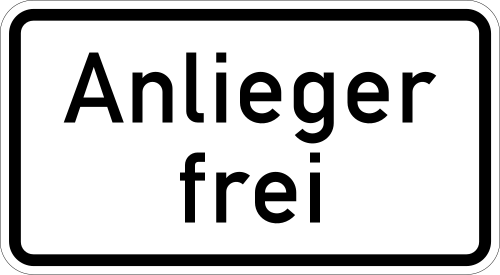 Supplementary plate 1020-30: Except for access
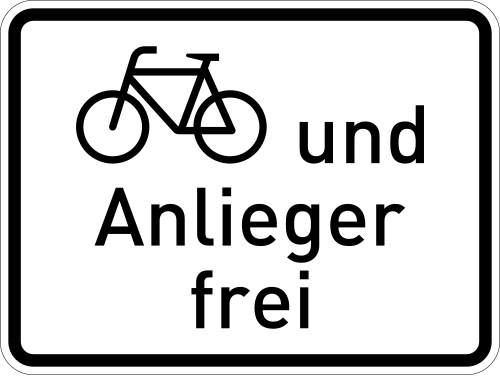 Supplementary plate 1020-12: Except cyclists and access
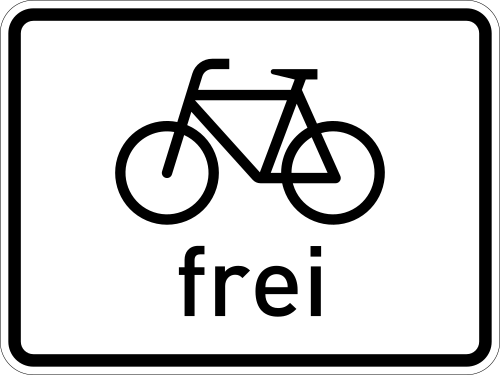 Supplementary plate 1022-10: Except cyclists
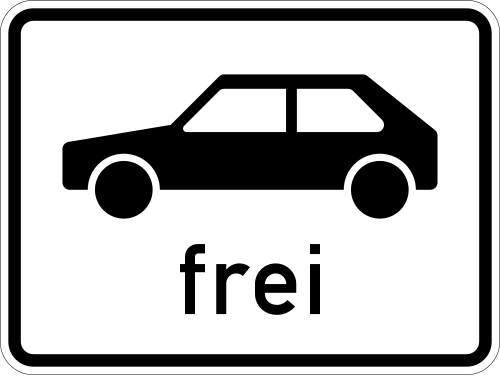 Supplementary plate 1024-10: Except cars
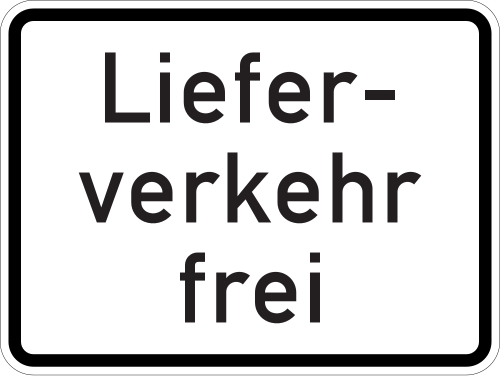 Supplementary plate 1026-35: Except deliveries
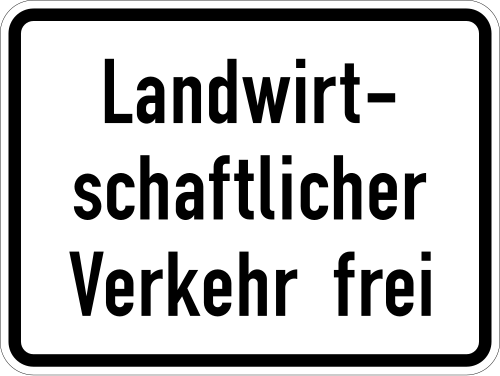 Supplementary plate 1026-36: Except agricultural traffic
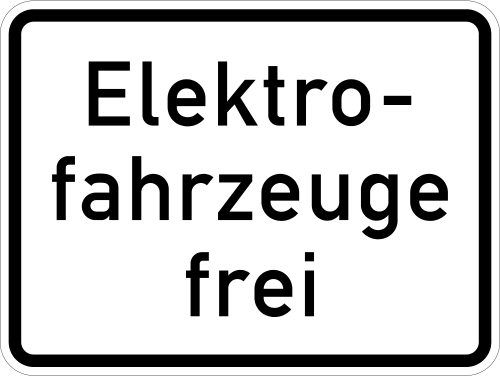 Supplementary plate 1026-61: Except electric vehicles
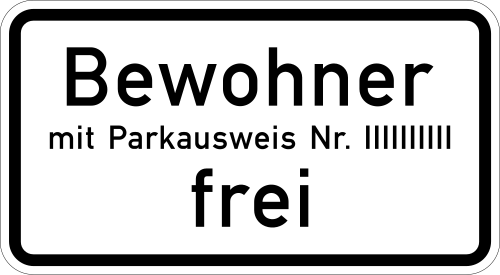 Supplementary plate 1020-32: Except residents with permit
What does … mean?
- Access only: only if your destination is on this street
- Working days: Monday to Saturday – not public holidays
- Deliveries permitted: only to drop off or pick up goods
- When wet: applies only on a wet road
- “in 100 m”: hazard starts there; “for … m”: applies over that stretch
- Cyclists in contraflow: cyclists come towards you in the one‑way street
- Priority changed: old habits no longer apply – take extra care
Time, distance, conditions
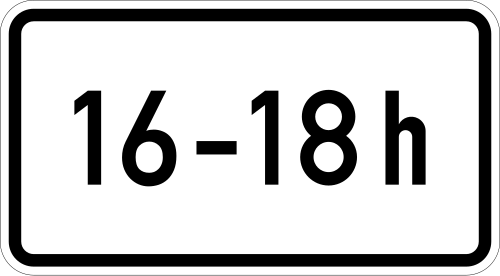 Supplementary plate 1040-30: Time restriction (4–6 pm)
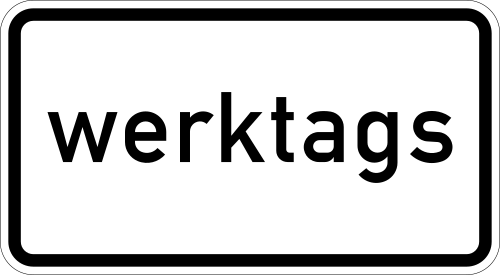 Supplementary plate 1042-30: Working days
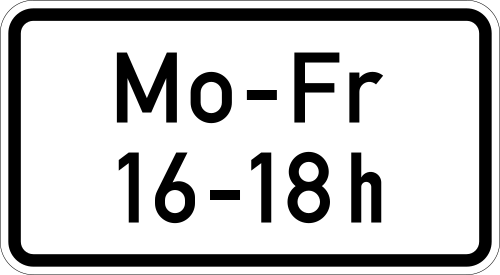 Supplementary plate 1042-33: Mon–Fri, 4–6 pm
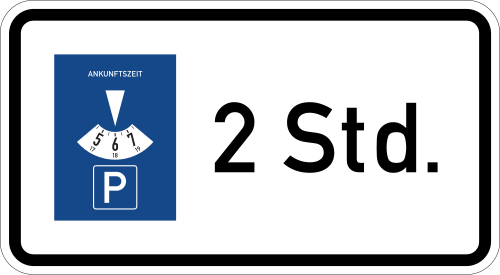 Supplementary plate 1040-32: Parking disc (2 hours)
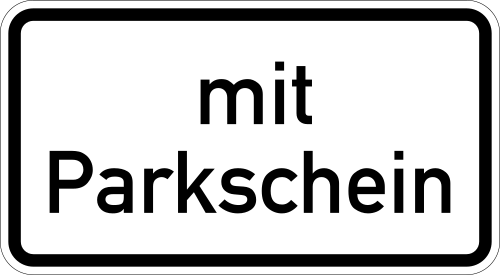 Supplementary plate 1053-31: With parking ticket
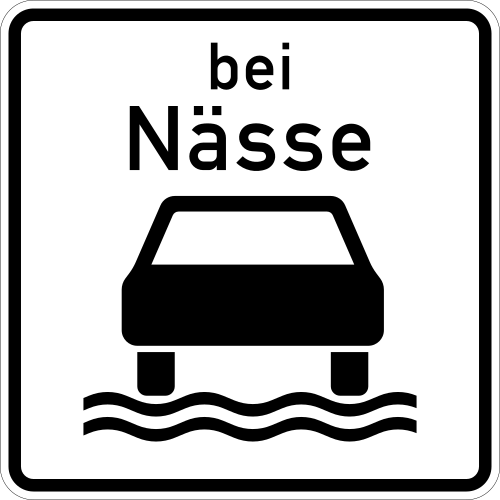 Supplementary plate 1053-35: When wet
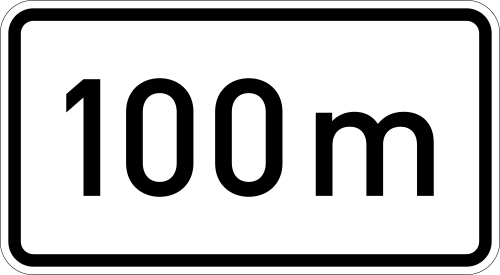 Supplementary plate 1004-30: Distance (100 m)
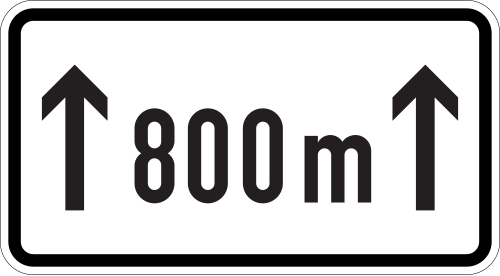 Supplementary plate 1001-30: Length of section (for 800 m)
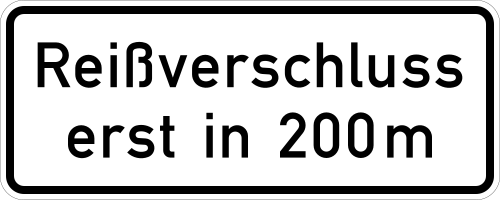 Supplementary plate 1005-30: Zip merge in 200 m
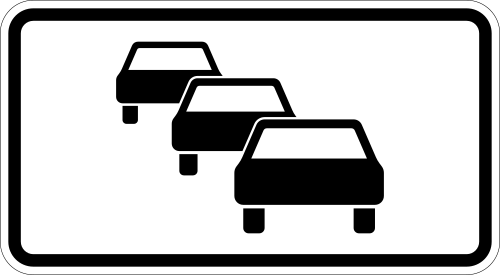 Supplementary plate 1006-38: Risk of queues
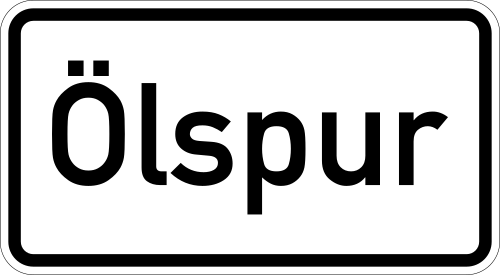 Supplementary plate 1007-30: Oil on road
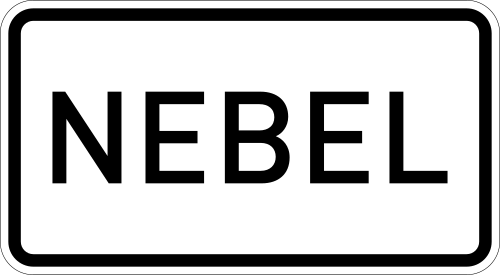 Supplementary plate 1007-61: Fog
Vehicle types and special notices
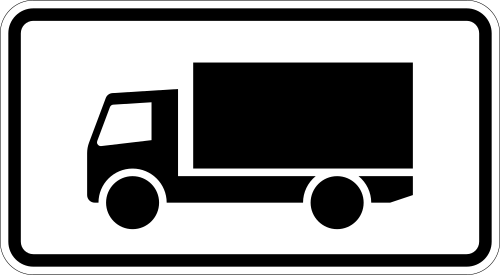 Supplementary plate 1010-51: Motor vehicles over 3.5 t
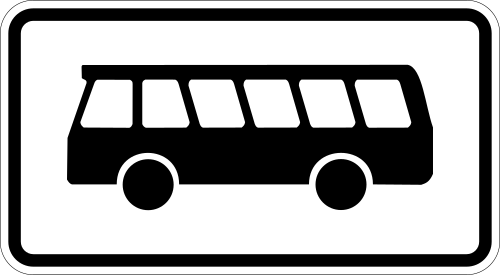 Supplementary plate 1010-57: Buses
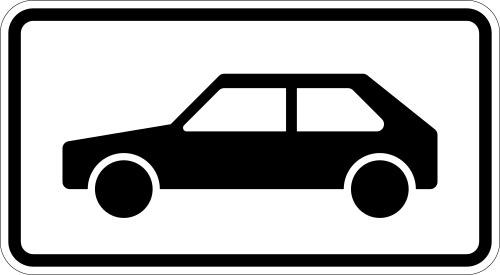 Supplementary plate 1010-58: Cars
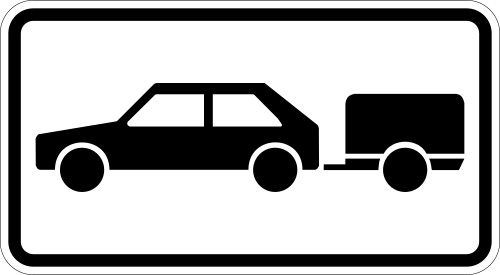 Supplementary plate 1010-59: Cars with trailers
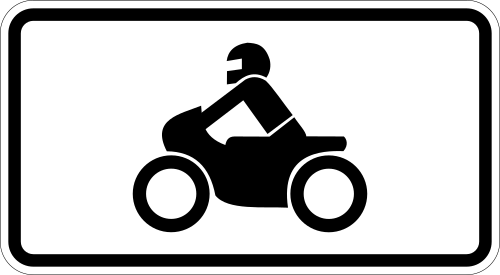 Supplementary plate 1010-62: Motorcycles and mopeds
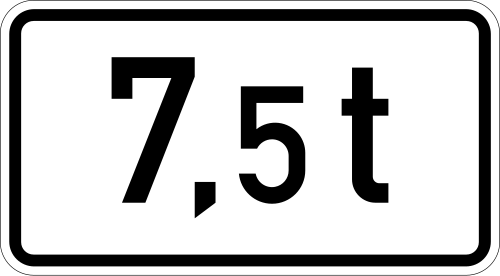 Supplementary plate 1053-33: Weight (7.5 t)
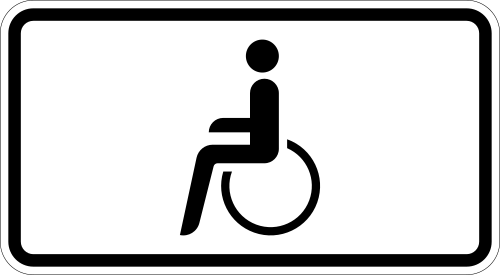 Supplementary plate 1044-10: Disabled permit holders only
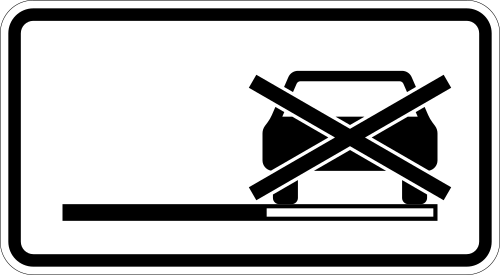 Supplementary plate 1060-31: No stopping on the hard shoulder too
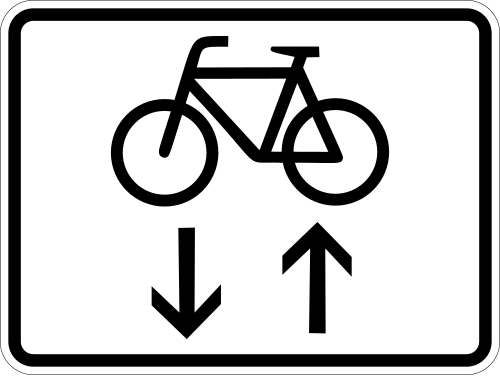 Supplementary plate 1000-33: Oncoming cyclists
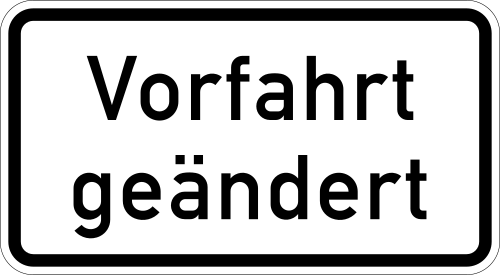 Supplementary plate 1008-30: Priority changed
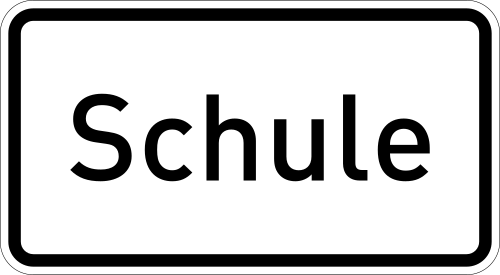 Supplementary plate 1012-50: School
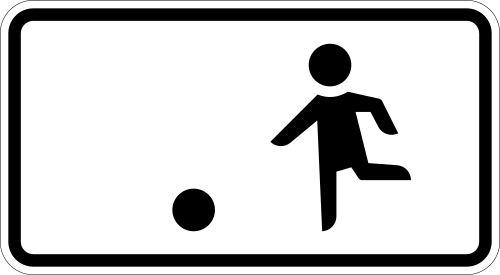 Supplementary plate 1010-10: Children may play on the road
Lines on the road
Solid (295)
- Don't cross it – not even partly
- Separates lanes or marks the road edge
- Overtaking across the line is off limits
Broken (340) and combined (296)
- Lane line: may be crossed if nobody is endangered
- Solid‑and‑broken double line: cross only from the broken side
- From the solid side: don't cross
More road markings
- Stop line (294): stop here at a stop sign, red light or police signal
- Arrows (297): mandatory direction if lines separate the lanes
- Advance arrow (297.1): change lanes soon
- Hatched area (298): don't drive, stop or park on it
- Zigzag line (299): extends or shortens no‑stopping and no‑parking zones
- Yellow markings (roadworks) override white ones
- Shark's teeth: back up “give way”
Road markings
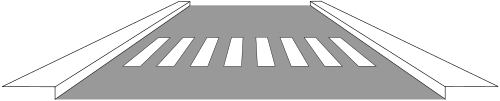 Road marking 293: Pedestrian crossing (zebra)
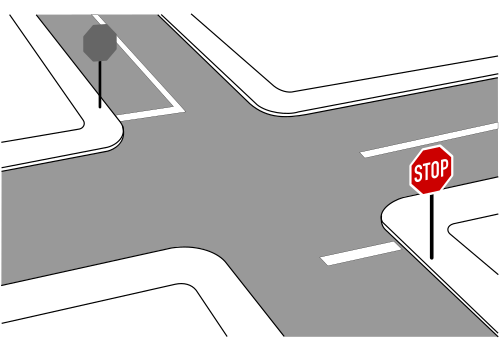 Road marking 294: Stop line
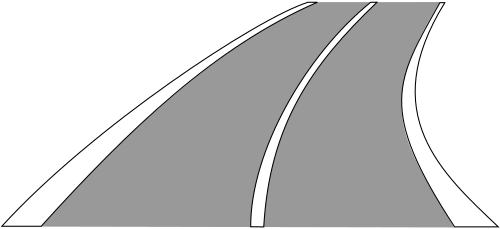 Road marking 295: Solid line (lane or edge line)
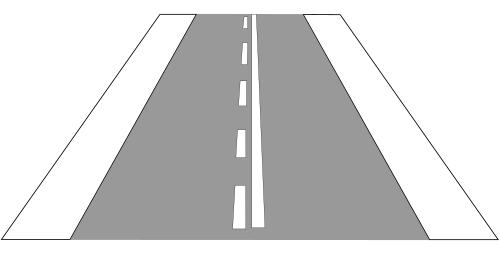 Road marking 296: One-sided solid line
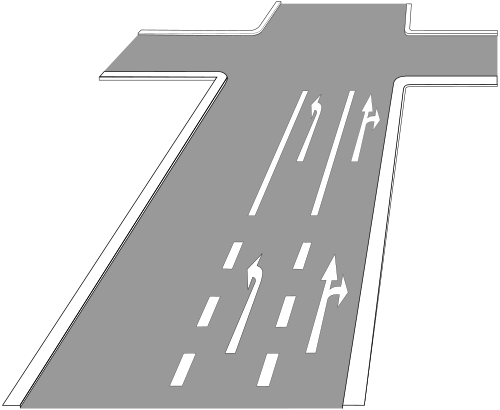 Road marking 297: Lane arrows
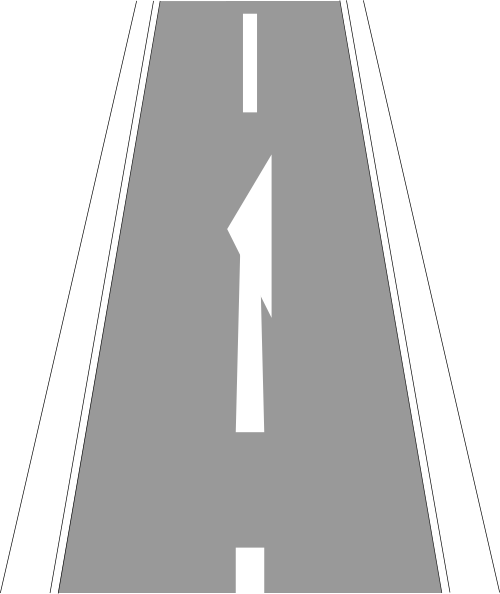 Road marking 297.1: Advance warning arrow
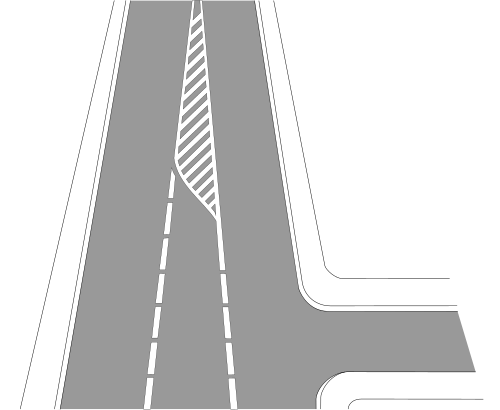 Road marking 298: Hatched area
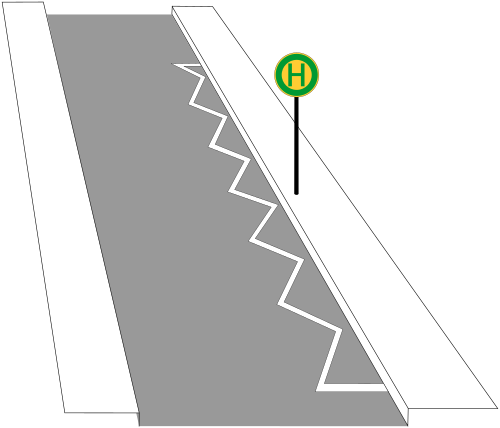 Road marking 299: Zigzag line (no stopping/parking)
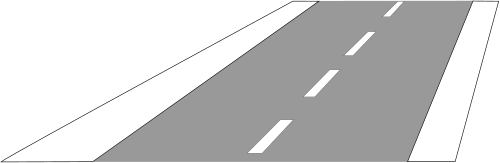 Road marking 340: Broken lane line
Traffic devices
 Traffic device 600-30: Barrier
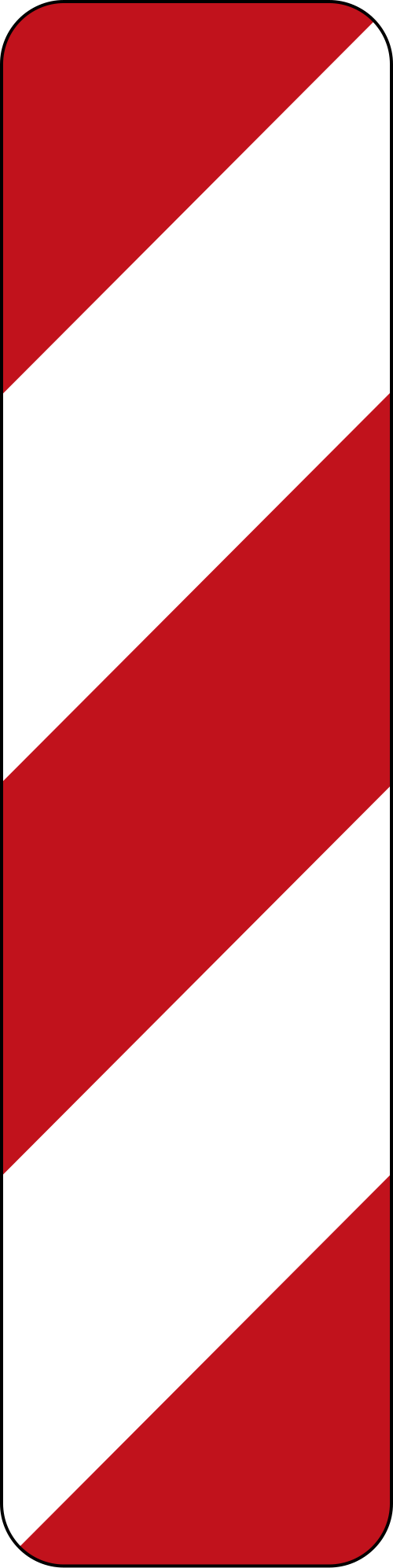 Traffic device 605-10: Marker board (right side)
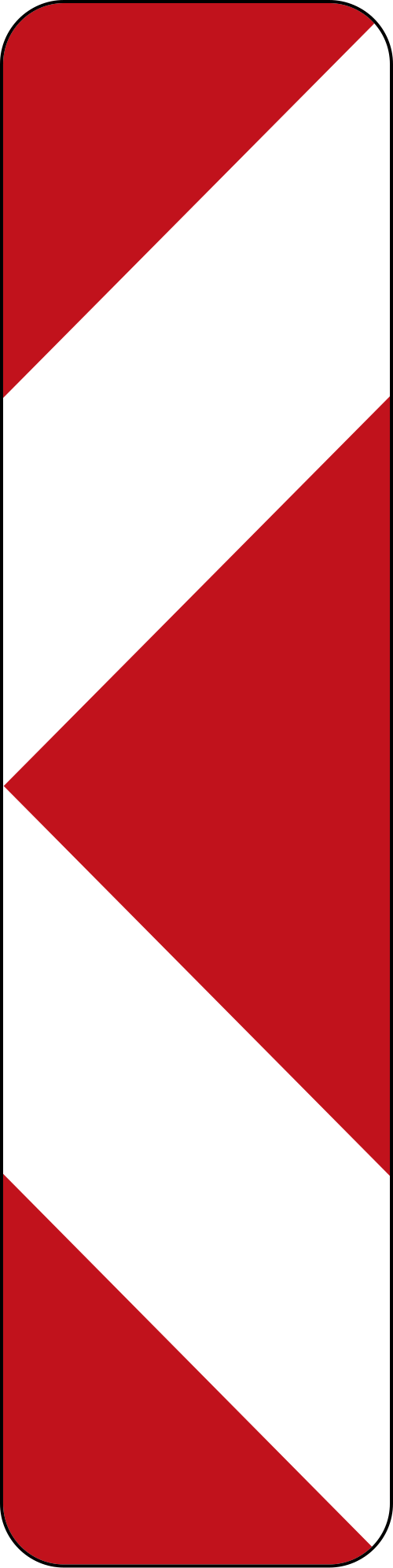 Traffic device 605-11: Chevron marker board
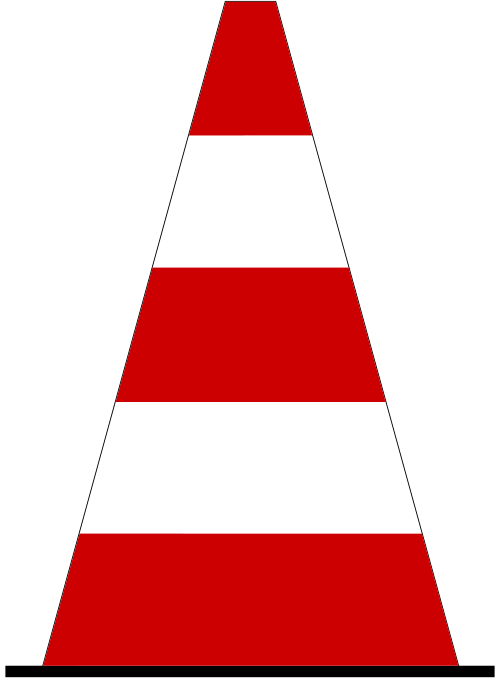 Traffic device 610: Traffic cone
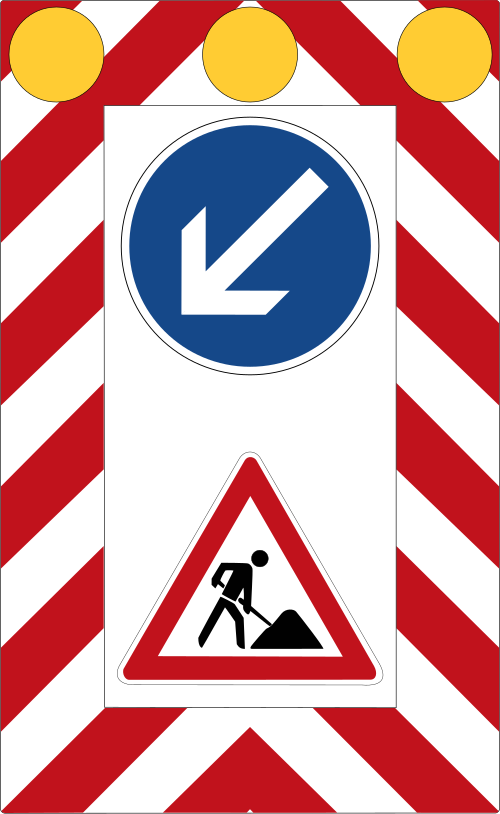 Traffic device 615: Mobile barrier board
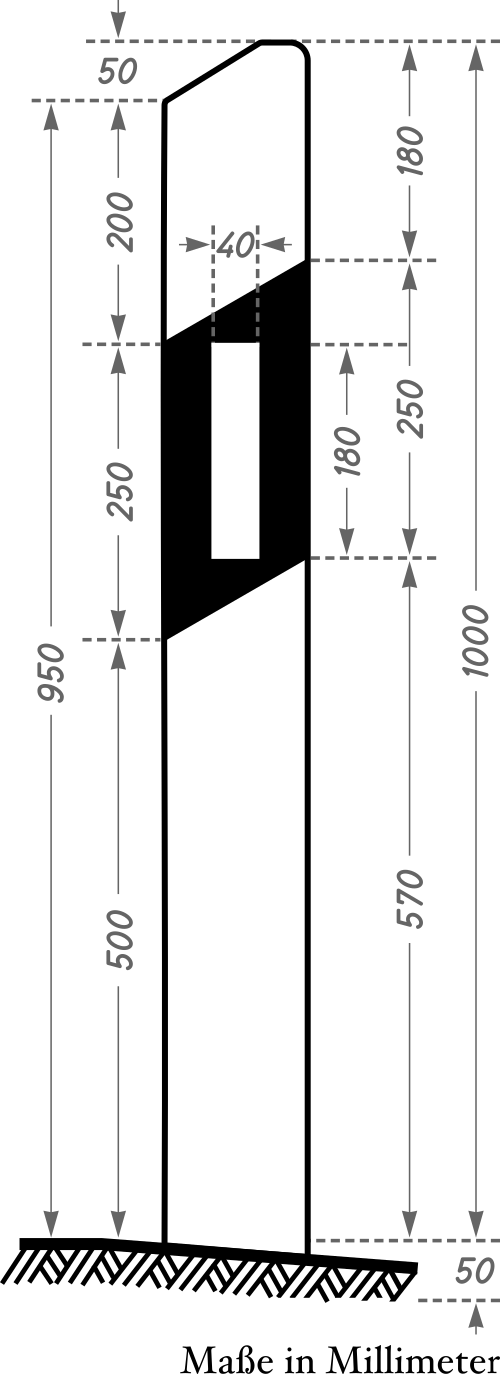 Traffic device 620-40: Delineator post (right)
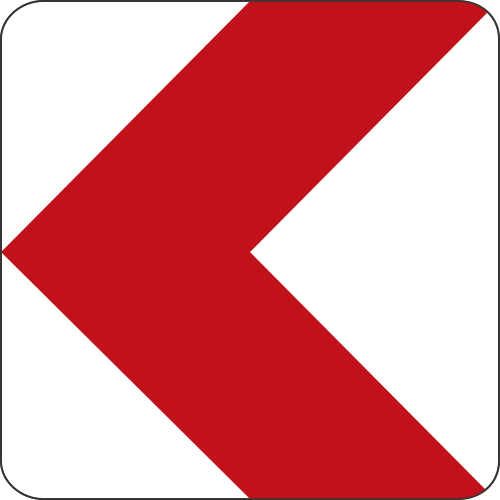 Traffic device 625-10: Bend chevron board
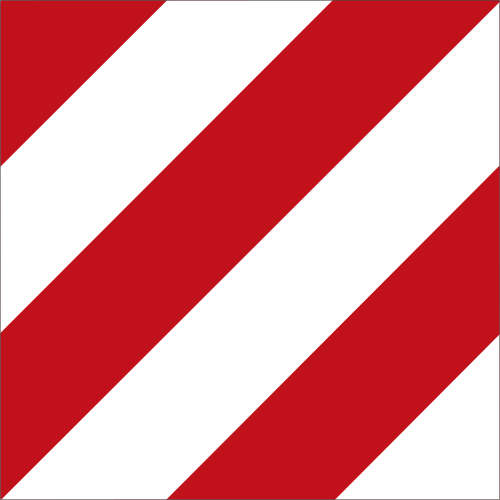 Traffic device 630: Parking warning board
Understanding traffic devices
- Guide beacons: the stripes slope down towards the side to pass on
- Barrier, mobile barrier board: lane closed – change lanes early
- Traffic cones: lane or area marked off
- Delineator posts: every 50 m; square reflector right, two round left
- Chevron board: shows the course of a sharp bend
- Parking warning panel: marks parked vehicles or trailers
A no‑parking sign has the plate “working days 8–18 h”. Does the ban apply on a normal Saturday at 10 a.m.?
- Yes – Saturday is a working day
- No – working days means Monday to Friday
- No – plates never apply at weekends
Check answer
Yes – Saturday is a working day
Working days are Monday to Saturday, except public holidays. So the ban applies.
Next to you is a double line: broken on your side, solid beside it. May you cross it to overtake if everything else is fine?
- Yes – crossing from the broken side is allowed
- No – a solid line may never be crossed
- Only in towns
Check answer
Yes – crossing from the broken side is allowed
With the one‑sided lane line (296), the broken line applies to you. Oncoming traffic may not cross it.