Eco‑driving & the environment
Less fuel, less noise, more safety
Economical driving is safe driving
If you drive with anticipation, you brake less often, accelerate more smoothly – and often save up to 20 % fuel. Plus less noise, less wear and more safety. Eco‑conscious driving is also assessed in the practical exam.
The top fuel‑saving tips
- Accelerate briskly, shift up early – at about 2,000 rpm
- Drive in the highest possible gear
- Coast in gear – the engine then uses no fuel
- Engine off during longer stops, e.g. at a level crossing
- Check tyre pressure regularly
- Remove roof boxes and racks, unload unnecessary weight
- Use air conditioning and heating moderately
Speed costs
Air resistance grows with the square of speed. That is why fuel consumption rises steeply above about 100 km/h. Driving 130 instead of 160 on the Autobahn saves a lot of fuel – and you arrive hardly any later. Short trips are expensive too: a cold engine uses particularly much.
Forbidden: unnecessary noise and exhaust
Warming up the engine while stationary is forbidden, as is pointless driving back and forth in towns when it disturbs others (§ 30 StVO). Also avoid slamming doors, revving the engine and loud music with the windows open.
Low‑emission zones
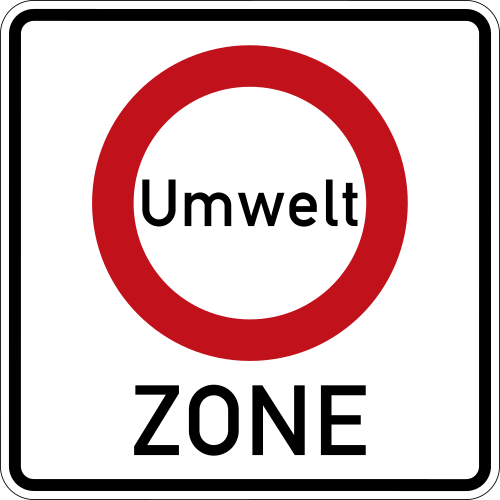
In a low‑emission zone (sign 270.1), only vehicles with the right emission sticker may drive – usually the green one. This also applies to electric cars. Without a sticker, you risk €100. Some cities have lifted their zones – but wherever the sign stands, the rule still applies.
Environment and e‑mobility

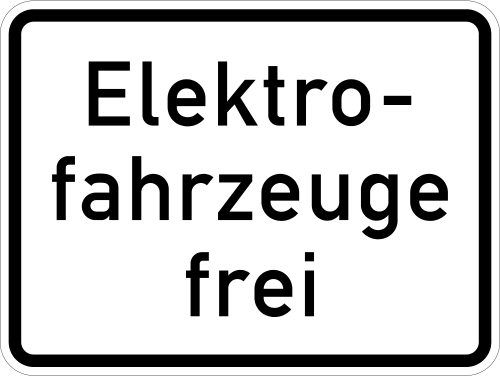
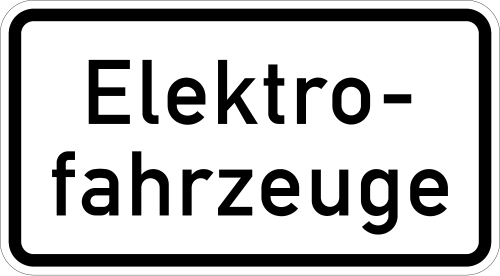
Driving an EV efficiently
- Use regeneration: slowing down early charges the battery
- Pre‑condition the car while it is still plugged in
- Cold costs range – seat heating uses less than cabin heating
- High speed costs a lot of range
- Use charging bays only for charging, then move the car
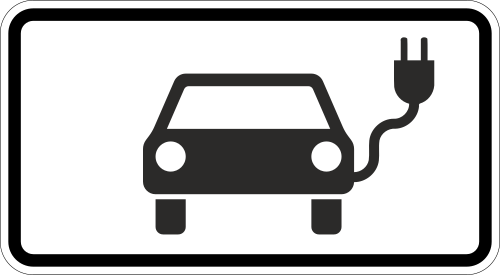
- E‑number plate: privileges where a plate allows them
Protecting the environment – off the road too
- Dispose of used oil only at collection points
- Don't wash your car at the roadside or near waters
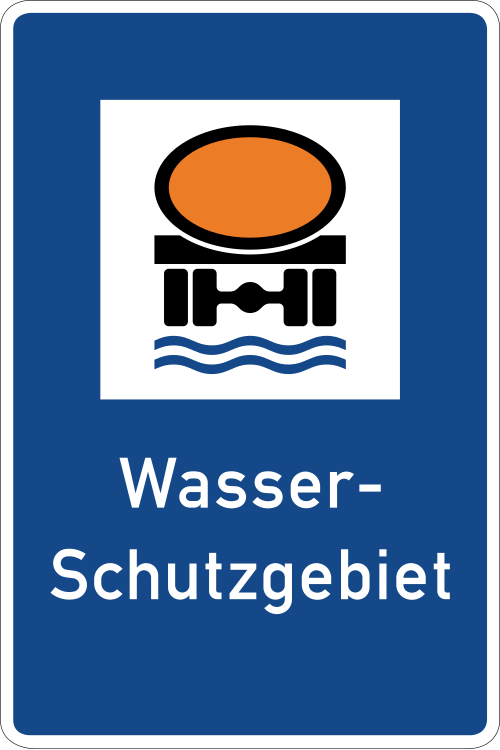
- In water protection areas: oil and fuel endanger groundwater
- Have leaks repaired immediately
- Never throw litter out of the window
Charging instead of filling up
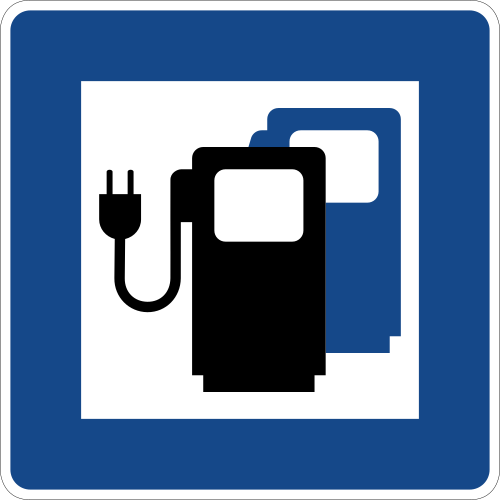
Charging bays are for charging. Staying after charging blocks others – and risks a fine where parking is only allowed while charging.
This source question references an image or scene that is not yet supplied. Do not use it for scored practice.
How do you drive most economically?
- Shift up early, at about 2,000 rpm
- Coast downhill in neutral
- Anticipate and coast with a gear engaged
Check answer
Shift up early, at about 2,000 rpm
Anticipate and coast with a gear engaged
With a gear engaged, fuel cut‑off kicks in: the engine uses nothing. In neutral, however, it burns fuel.
You expect a longer wait at a closed level crossing barrier. What do you do?
- I switch off the engine
- I leave the engine running so I can pull away quickly
- I keep the engine warm with a little throttle
Check answer
I switch off the engine
During longer waits, switch off the engine – this saves fuel and avoids noise and exhaust.
Mock exam with an eco focus
In the mock exam, eco‑conscious driving counts too: shift early, coast with anticipation, avoid unnecessary braking.
This specific scenario is not implemented in the web edition yet. exam_drive