Lights & warning signals
Headlights, horn, flashing and hazard lights
See and be seen
At dusk, in darkness or whenever visibility requires, you must switch on the required lights (§ 17 StVO). All lights must be clean and working. Driving on parking lights alone is forbidden – they are only for parking.
Which light when?
- Dipped beam: dusk, darkness, tunnels
- Dipped beam also by day when fog, snow or rain seriously limit visibility
- Main beam: outside towns when the road ahead is clear
- Front fog lights: only in fog, snowfall or rain
- Rear fog light: only in fog with visibility below 50 m
- Parking lights: only for parking, never for driving
Daytime running lights or dipped beam?
Daytime running lights
- Usually lit at the front only
- Only by day with good visibility
- Not enough in tunnels or at dusk
Dipped beam
- Lights at front and rear
- Required at dusk, in darkness, in tunnels
- And when visibility is seriously reduced
Adjusting headlight range
If your car is heavily loaded at the back, the headlights point upwards – and dazzle oncoming traffic. Set the headlight levelling control accordingly: position 0 for empty, higher positions for loads. Many modern cars do this automatically.
Don't dazzle!
Dip your main beam in good time: for oncoming traffic, when following closely, and whenever people on or beside the road would be dazzled – including pedestrians, cyclists, trains or ships. If you flash your main beam to announce overtaking, you must not dazzle oncoming drivers.
Horn and headlight flash
- Allowed when you see danger to yourself or others
- Outside towns also to announce overtaking
- Only briefly – don't annoy others
- Not for greeting, pushing or out of anger
- In towns not to announce overtaking
Hazard warning lights
- In a breakdown or when your vehicle endangers others
- When approaching the end of a traffic jam
- When towing – on both vehicles
- Buses and school buses at stops, where required
- Not a licence to double‑park
Remember: indicating gives no rights
Indicate in good time and clearly – and switch the indicator off afterwards. But: the indicator only announces. It gives you no priority and never replaces mirrors and shoulder checks.
Lights in focus
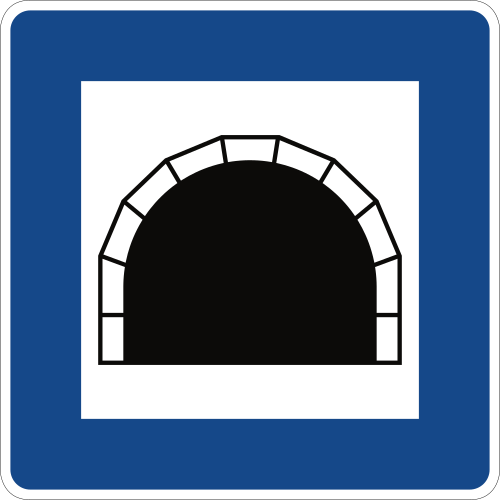

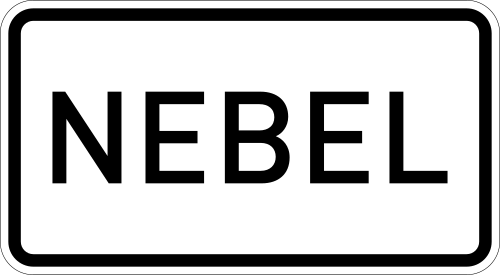

When may you switch on the rear fog light?
- In fog with visibility below 50 m
- In heavy rain with visibility below 50 m
- At night on the Autobahn so others see me better
Check answer
In fog with visibility below 50 m
The rear fog light is only allowed in fog with visibility below 50 m – not in rain or snow. Then the limit is 50 km/h.
When may you use the horn?
- When I see danger to myself or others
- Outside towns, to announce overtaking
- In towns, to greet friends
Check answer
When I see danger to myself or others
Outside towns, to announce overtaking
Horn signals are only allowed to warn of danger and, outside towns, to announce overtaking (§ 16 StVO).
Using lights correctly
Drive at night in the simulator: switch to main beam, dip in time, watch for oncoming and leading vehicles.
This specific scenario is not implemented in the web edition yet. drive_night