Overtaking & passing
Master the riskiest manoeuvre safely
Overtaking: the most dangerous moment
Head‑on collisions on country roads are among the most severe crashes. Usually the speed of oncoming traffic is underestimated or the overtaking distance misjudged. So: only overtake when you are sure it will work – and when you are clearly faster than the other vehicle.
Overtake only if …
- the traffic situation is clear
- oncoming traffic is not hindered
- you are much faster than the vehicle being overtaken
- enough lateral distance is possible (1.5 m in town, 2 m outside)
- you can pull back in without hindering anyone
- nobody behind you has already started to overtake you
Overtaking forbidden
- When the traffic situation is unclear
- At sign 276 (for cars) – and sign 277 for vehicles over 3.5 t
- If you would have to cross a solid line
- At zebra crossings
- At level crossings: motor vehicles may not overtake motor vehicles
- Buses with hazard lights approaching a stop
The maths that often doesn't add up
Overtaking a truck doing 80 km/h at 100 km/h often takes over 500 m. An oncoming car at 100 km/h covers the same distance in that time. So you need about 1 km of clear view. If unsure: don't overtake.
How to overtake safely
- Keep a good distance and check the road ahead
- Mirrors and shoulder check: is anyone overtaking me already?
- Indicate left, pull out briskly
- Pass with clearly higher speed and enough lateral room
- Indicate right once the overtaken vehicle is fully in your interior mirror
- Pull back in without hindering them
When you are being overtaken
Right
- Don't increase your speed
- Keep as far right as possible
- Slow vehicle with a queue behind? Pull over and let them pass
Wrong
- Accelerating to prevent the overtake
- Drifting towards the centre
- Deliberately blocking the overtaker from pulling in
Overtaking on the right – only as an exception
As a rule, you overtake on the left. You pass on the right left‑turning vehicles that have indicated and moved to the centre, and trams. In towns, cars may freely choose their lane on multi‑lane roads. On Autobahns, a narrow exception applies to stationary or slow queues.
Passing obstacles
If an obstacle – such as a parked car or roadworks – is on your side, oncoming traffic goes first (§ 6 StVO). If necessary, wait in good time before the obstacle. Indicate when pulling out and back in. Signs 208 and 308 can set a different order.
Overtaking and passing
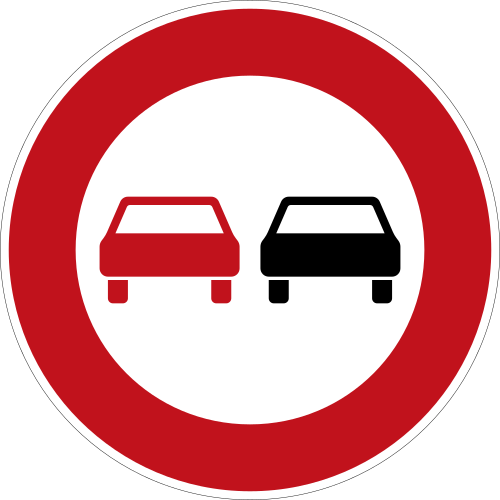 Sign 276: No overtaking
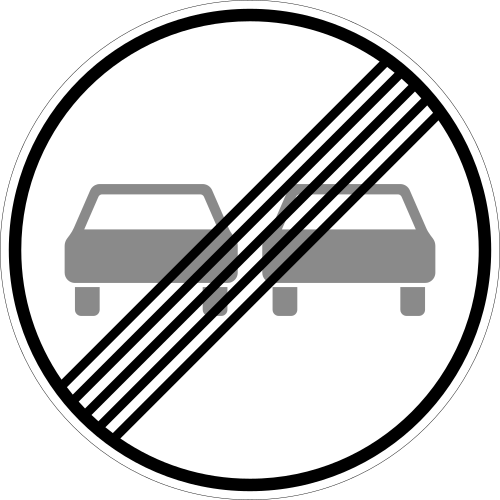 Sign 280: End of no-overtaking zone
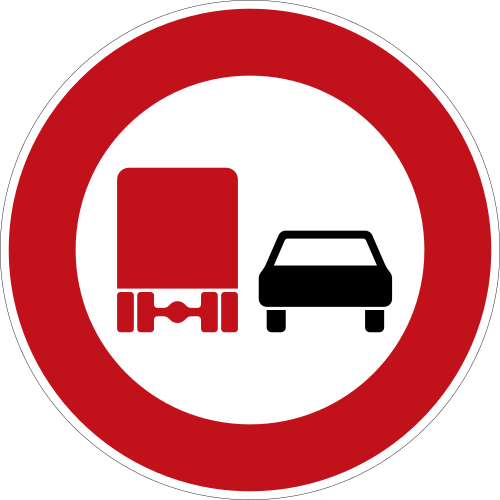 Sign 277: No overtaking for trucks over 3.5 t
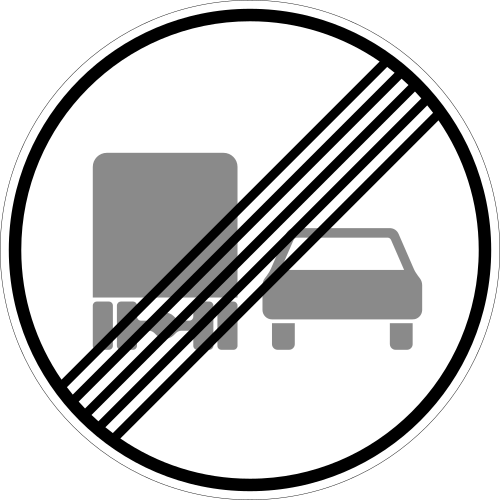 Sign 281: End of no-overtaking zone for trucks over 3.5 t
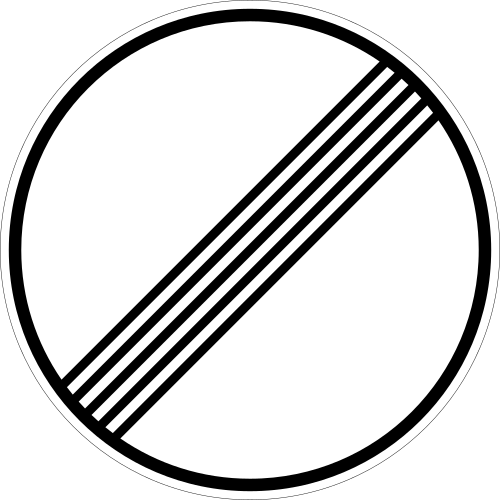 Sign 282: End of all restrictions
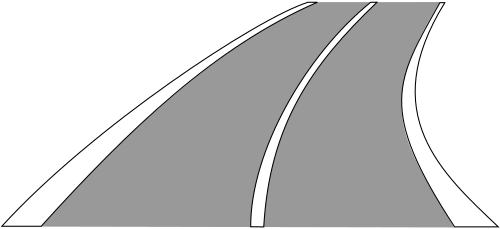 Road marking 295: Solid line (lane or edge line)
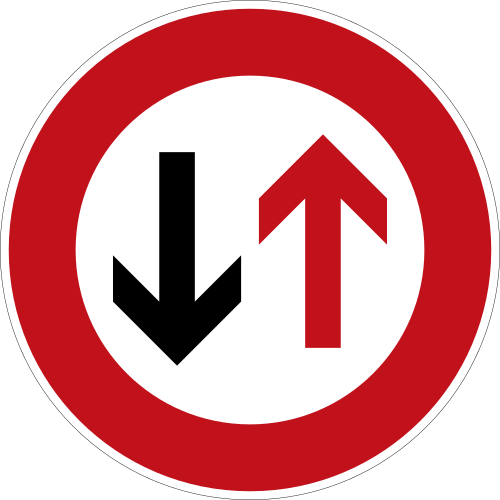 Sign 208: Give way to oncoming traffic
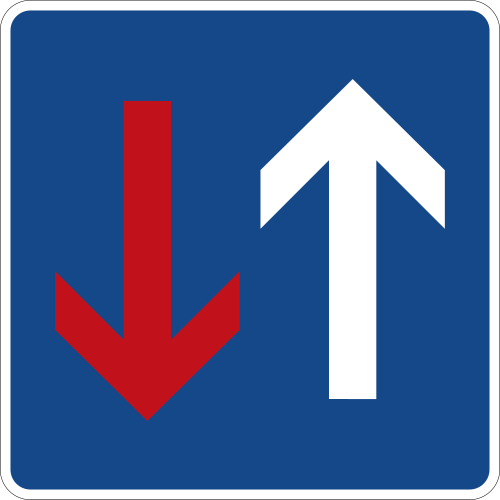 Sign 308: Priority over oncoming traffic
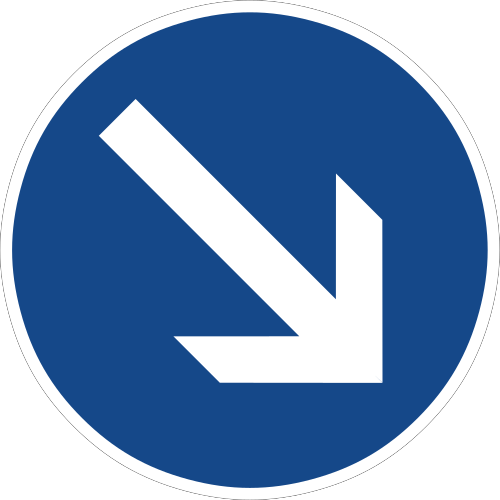 Sign 222: Keep right
You are being overtaken on a country road. How do you behave correctly?
- I speed up so the overtaking is over sooner
- I don't increase my speed
- I keep as far right as possible
Check answer
I don't increase my speed
I keep as far right as possible
Anyone being overtaken must not speed up (§ 5 (6) StVO) and helps by keeping right.
A van is parked on your side of the road and a car is coming towards you. Who may go first?
- The oncoming car
- Me, because I'm closer to the obstacle
- Whoever flashes their headlights first
Check answer
The oncoming car
If the obstacle is on your side, you must let oncoming traffic pass (§ 6 StVO).
Overtaking on a country road
In the simulator, overtake a tractor and a cyclist – with enough visibility and 2 m lateral distance.
This specific scenario is not implemented in the web edition yet. drive_overtaking